Creating a Serene Water-Garden: Practical Tips for a Low-Drama Pond Border
A practical guide to designing a tranquil pond border with marginal and water plantings, focusing on British pond plants and a natural, no-fuss aesthetic.
Establishing a Stable Foundation for Your Pond Border
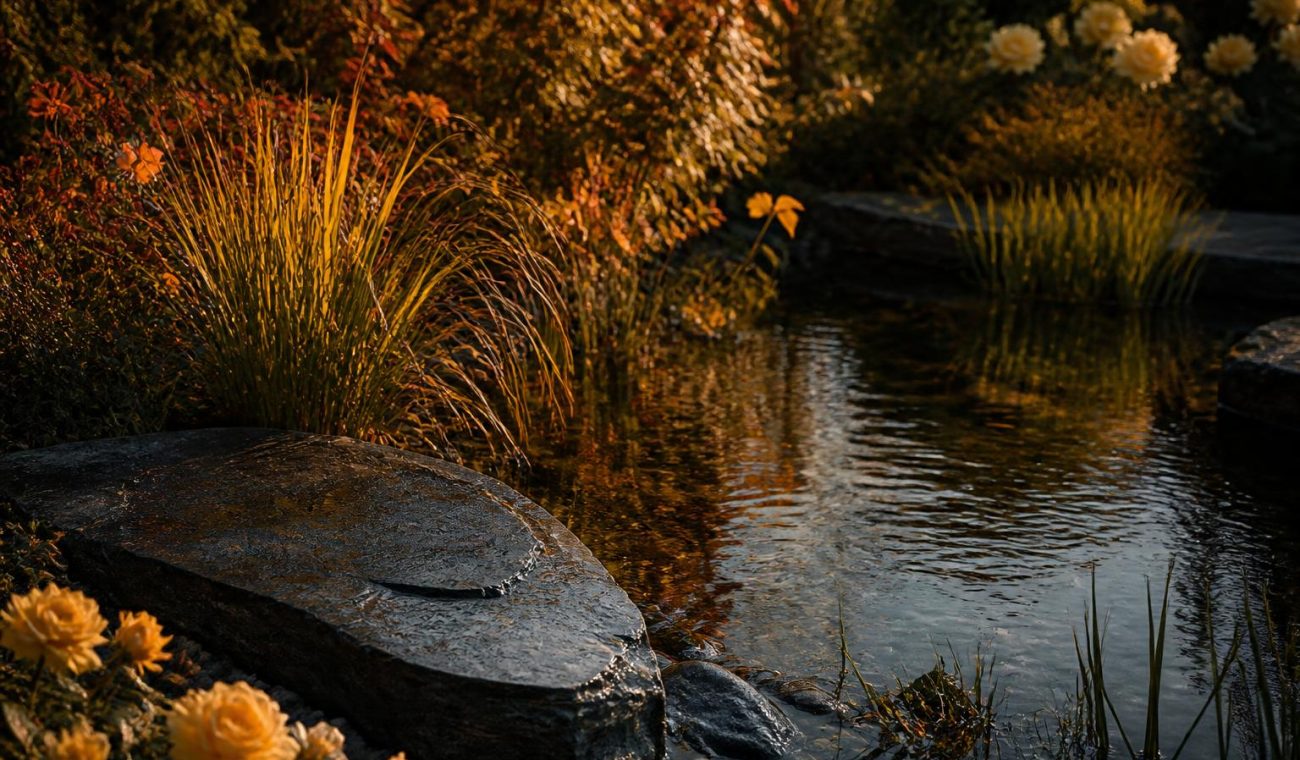
When planning a pond border, consider the soil, shade, and water level to ensure a stable garden edge that lasts through seasons. Start by mapping the pond’s perimeter and choosing a mix of marginal pond plants that thrive at the water’s edge, along with water lilies that anchor the center visual. For beginners, a shallow shelf makes planting easier and helps minimize weed growth while preserving a tidy look. Buy Marginal Pond Plants and place them in clusters near the margins to create natural pockets of texture.
Use a barrier or edging that blends with the garden and keeps soil from creeping into the water. A flexible, partially submerged border allows you to reposition plants as the season changes. Incorporate native british pond plants where possible to reduce maintenance and support local pollinators, while ensuring the deck or stepping stones provide easy access for seasonal pruning and inspection.
Choosing the Right Marginal and Water Lily Combinations
Success hinges on pairing marginal pond plants that tolerate shallow water with deeper-rooted water lilies for color and shade. Select varieties that bloom at different times, so the display remains engaging from late spring to early autumn. Consider leaf shape and height to avoid crowding the water surface; a balanced mix prevents frame clutter and keeps the garden feeling airy and calm.
Incorporate a few evergreen or semi-evergreen species to maintain year-round structure. A layered approach—tall lilies toward the back, mid-height irises, and low-growing marginals at the front—creates depth and avoids a flat, monotonous edge. Keep a careful eye on plant spacing to ensure each species has room to flourish without overtaking its neighbors.
British Pond Plants: Native Choices for Reliability
Choosing british pond plants brings resilience and seasonal rhythm to the water feature. Native sedges, rushes, and marginal varieties often require less maintenance and adapt well to local rainfall patterns. Planting these alongside common water lilies yields a natural, cohesive look that still showcases garden drama during bloom.
Avoid overcrowding by staggering plantings in small clusters rather than a single dense block. This approach enhances air circulation and reduces disease pressure while giving you multiple focal points to appreciate throughout the season. Regular light pruning keeps foliage attractive and prevents shade from overpowering lily blooms.
Maintenance Routines that Preserve Clarity and Health
Regular maintenance is key to a healthy pond border. Remove dead leaves and spent flowers promptly to prevent decay that can muddy the water. A simple fish-free period in autumn helps reduce pond activity, allowing marginal and water lilies to settle into dormancy with minimal stress.
During growth spurts, monitor nutrient levels to avoid excessive algae. Gentle, periodic thinning of crowded clumps maintains air channels for the roots and keeps the display open. Consider a manual pond net and a soft brush to clear debris without damaging delicate stems or spreading pathogens.
Seasonal Color: Designing for Year-Round Interest
Seasonal color can be achieved by alternating flowering times and leaf display. Water lilies bring bold highlights with large, glossy pads and showy blooms, while marginals provide texture through slender leaves and bright flowers. Plant selection should consider both bloom and foliage to ensure the border remains lively even when lilies subside.
In the shoulder seasons, pair hardy marginals with evergreen grasses or ferns that tolerate damp soil. This combination preserves structure as the water cools and the garden transitions, offering quiet beauty without abrupt gaps in the landscape.
Edging Techniques that Protect Water Quality
A well-defined edge helps keep soil out of the water and prevents weed intrusion. Use natural stone, wooden sleepers, or brick in a curved outline that mirrors the pond’s shape. Such edging reduces maintenance and keeps the installation visually cohesive with the surrounding garden design while providing a platform for seasonal pruning.
Consider a gentle slope into the pond to reduce erosion and make plant retrieval easier. A shallow gradient supports marginal pond plants by giving their roots access to moisture without being fully submerged, preserving root health and extending bloom periods.
Mini-Guide: Enhancing Texture with a Simple Plant Palette
- Water lilies: Choose a variety with strong color and robust foliage for drama on sunny days.
- Marginal pond plants: Mix ferns, irises, and sedges for a tiered, lush edge.
- Native accents: Include a few british pond plants that support local wildlife.
}