Creating a Calm, Practical Garden Living Space: A Practical Guide to Home Improvement and Outdoor Decor
Elevate your outdoor space with thoughtful gardening, sturdy home improvement ideas, and decor that blends indoor comfort with fresh air.
Preparing a Functional Garden Retreat
Transforming a yard into a usable sanctuary starts with clear goals: a comfortable seating area, reliable pathways, and a low-maintenance planting plan that thrives with local conditions. Begin by surveying sunlight patterns, soil quality, and drainage, then sketch zones for cooking, relaxing, and potting. A simple plan reduces maintenance while expanding your usable space, so you can enjoy outdoor meals and quiet afternoons without constant upkeep. Buy Marginal Pond Plants helps bring lush edge greenery to ponds that anchor a serene corner of your garden.
In practice, choose durable, weather-resistant materials that endure seasonal shifts. For example, select treated timber or composite decking for a smoke-free, low-splinter surface, then pair with synthetic or ceramic furniture that resists fading. A compact fire pit or beehive-style heater can extend patio use into cool evenings, aligning with home improvement goals while preserving a cohesive exterior look that remains welcoming year-round.
Choosing Gardening Features that Blend with Interior Decor
When planning exterior planting, mirror interior color schemes and textures to generate a cohesive feel between home and yard. Consider soft, breathable fabrics for cushions and a neutral palette of greens, creams, and ochres that echo indoor decor. Think in layers: tall borders for privacy, mid-height perennials for color, and groundcovers that suppress weeds while keeping pathways clear for daily use. This approach enhances both curb appeal and everyday comfort.
Fruit trees, perennial herbs, and ornamental grasses can provide structure and seasonal interest without demanding relentless attention. For small spaces, vertical planting on trellises or living walls maximizes yield without crowding existing pathways. Pairing productive plants with ornamental varieties creates a balanced scene where practical needs meet visual delight, supporting a lifestyle that values gardening as part of daily home improvement rather than a separate chore.
Water Features as Focal Points and Learnable Elements
A thoughtfully placed water feature can become the garden’s focal point while offering soothing sounds that dampen street noise. Start with a compact pond or fountain that suits your space, ensuring electrical safety and easy maintenance access. Regularly clean filters, monitor water quality, and choose fish varieties appropriate for your climate. A water feature also invites wildlife, adding motion and life that enriches the outdoor atmosphere.
Incorporating marginal plants along pond edges enhances texture and biodiversity without demanding constant care. Choose species that tolerate variable moisture and provide year-round structure. If you’re unsure about plant choices, consult local gardening guides and select hardy, well-matched varieties that cheerfully fill shelves of your patio or deck with color and form across seasons.
Seasonal Maintenance Routines for a Low-Stress Garden
Develop a predictable maintenance cadence that follows the seasons rather than reacting to weather surprises. A monthly checklist can include pruning deadwood, refreshing mulch, checking irrigation lines, and cleaning garden furniture to extend life. Use weatherproof containers and breathable soils to reduce root stress during heat waves or freezing nights. Routine tasks become automatic, freeing time for enjoyable gardening experiences rather than frantic last-minute fixes.
Adopt water-wise practices such as drip irrigation, rain barrels, and mulching to conserve resources. Group plants with similar water needs to simplify care, and label beds clearly so family members can participate without guesswork. A consistent routine strengthens your home improvement narrative, turning the garden into a reliable, inviting extension of your interior living space.
Lighting and Ambiance for Evening Enjoyment
Outdoor lighting should prioritize safety and ambiance, guiding guests along paths while highlighting focal plants and architectural features. Choose warm, dimmable LEDs and weatherproof fixtures placed at strategic heights to reduce glare and create inviting pools of light. Consider solar options for sustainability, but ensure enough charge for late-evening uses in shorter winter days. Thoughtful lighting transforms the garden after sundown into a cozy, usable room outside.
For decor continuity, select lanterns, cushions, and pottery in a cohesive color scheme that echoes interior accents. Weatherproof fabrics and recycled glass containers can add texture without clutter. With well-planned lighting, you’ll enjoy extended evenings outdoors, reinforcing the connection between interior decor priorities and exterior comfort in a seamless home improvement narrative.
Edible Landscaping: Practical Plants with Visual Appeal
Integrating edible elements into decorative beds yields daily rewards with minimal extra effort. Plant compact fruiting shrubs, productive herbs, and edible flowers near seating areas for easy harvests and sensory delight. Use raised beds or wide window boxes to minimize bending and make tasks like pruning and harvesting more ergonomic. Good planning ensures that beauty and utility go hand in hand across seasons.
Seasonal succession plantings maintain interest while reducing workload, with cool-season greens in spring and vibrant herbs through summer. Choose varieties that resist common pests and adapt to your region’s climate, then rotate crops to sustain soil fertility. This approach supports home improvement goals by turning the garden into a practical, productive space that complements decor and daily routines.
Storage, Tools, and Organization for a Polished Outdoor Space
Efficient storage underpins both aesthetics and usability. Invest in weatherproof sheds, bench storage with labeled bins, and a compact potting station that keeps supplies organized and readily accessible. A magnetic tool rack, wall hooks, and labeled seed trays reduce clutter and make quick pruning or container planting straightforward. A tidy space extends the life of tools and keeps outdoor projects moving smoothly.
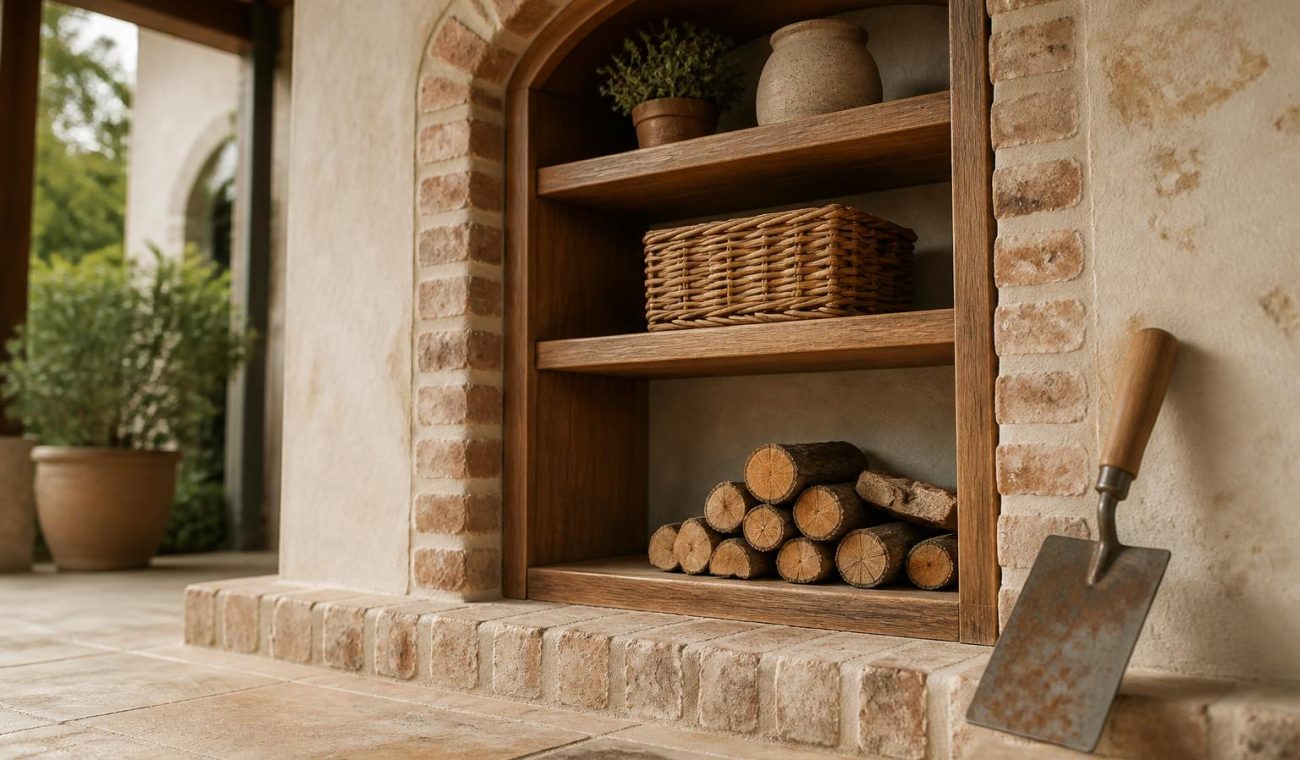
Choose durable, moisture-resistant shelving to display plan markers, fertilizers, and small pots without fear of rain damage. Color-coded containers help family members learn where items belong, supporting a cooperative gardening routine. With smart organization, your exterior becomes an orderly extension of the interior, reinforcing a cohesive home improvement strategy that values calm, practical spaces.
Texture and Structure in Outdoor Rooms
- Layered plantings create depth and year-round interest.
- Natural materials like wood and stone anchor spaces.
- Soft furnishings add comfort without sacrificing practicality.