Smart Outdoor-Indoor Garden: Practical Home Improvement for Everyday Living
A practical guide to integrating gardening with home improvement and interior decor for cohesive, livable spaces.
Designing a Cohesive Garden-Interior Flow
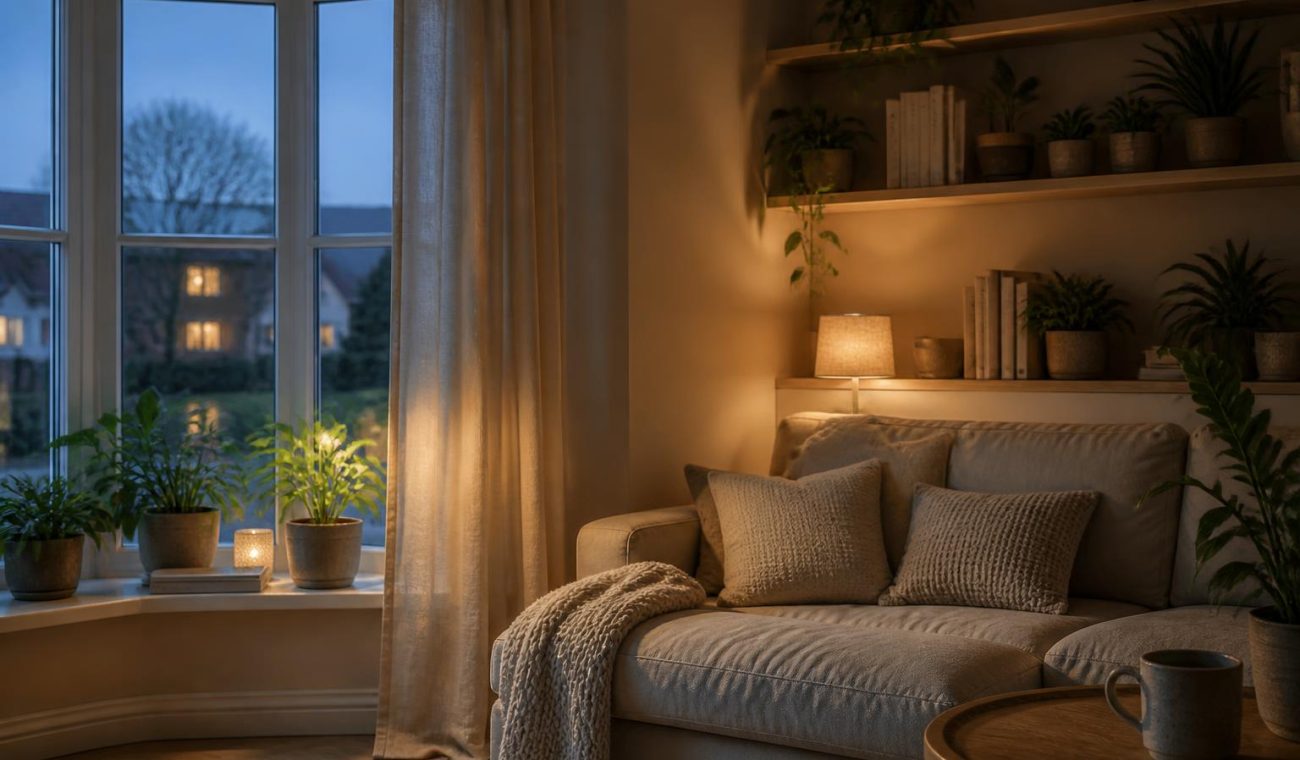
Creating a seamless transition between outdoor gardening spaces and indoor living areas starts with a clear plan that mirrors your daily routines. Consider sightlines from windows and doors, selecting plant palettes that echo in both rooms and reinforcing a unified color story. This approach makes gardening feel like an extension of interior design, with furniture choices, lighting, and decor reinforcing the connection rather than competing against it. laser scanning equipment can help map your site accurately for precise layout planning and integration of hardscape features with interior spaces.
Begin by mapping high-traffic zones and identifying microclimates around doors and windows. Use this information to place containers, raised beds, or trellises where you’ll enjoy them most, while ensuring maintenance tasks remain convenient. As you plan, consider the visual weight of plants, the texture of foliage, and the way seasonal changes will alter the interior ambiance, turning gardening into a daily decor discipline rather than a chore.
Choosing Plants for a Year-Round Home Environment
Selecting species that thrive with your light and temperature ranges is essential for year-round success. For interior-adjacent gardening, opt for compact, resilient varieties that tolerate fluctuations and require minimal intervention. Incorporate a mix of leafy greens, herbs, and flowering annuals to continuously refresh the air, color, and scent inside your home while supporting your interior color palette and decor cohesiveness across seasons.
Outdoor containers should mirror indoor planter aesthetics so the transition between spaces feels intentional. Use varied textures—smooth slate, rough terracotta, and glossy ceramic—to create depth, while grouping plants by light needs to simplify maintenance. Regular pruning, feeding, and cleaning routines keep both indoor and outdoor plantings healthy, vibrant, and easy to care for during busy home improvement cycles.
Watering Strategies that Save Time and Sustain Health
Efficient watering is the backbone of any integrated garden and interior space. Install a smart irrigation system with soil moisture sensors to deliver precise amounts of water where plants actually need it, reducing waste and improving plant vigor. Pair this with rain barrels and drip lines to support sustainability, while keeping maintenance simple for family members who juggle decor projects and daily living tasks.
For indoor planters, use self-watering pots or wick systems to maintain consistent moisture between waterings, especially in rooms with heated air or strong sunlight. Create a weekly routine that includes checking soil moisture, adjusting schedules for seasonal changes, and cleaning reservoir screens. When water routines are predictable, you’ll spend less time managing plants and more enjoying your decor and outdoor spaces.
Lighting Design that Supports Growth and Mood
Lighting is a dynamic tool that influences both plant health and interior ambiance. Combine natural daylight with strategically placed grow lights for indoor greens, herbs, and flowering plants, ensuring adequate photoperiods without overheating sensitive foliage. Layer lighting with warm task lamps for seating areas and cool accent lights to highlight architectural features or vertical gardens, enhancing the overall decor narrative.
Consider automated lighting schedules that align with your daily rhythms and seasonal daylight shifts. Outdoor decks or patios benefit from weatherproof fixtures that provide soft illumination for evening gatherings while supporting container plants at dusk. Thoughtful lighting helps gardens feel like a natural extension of the home’s interior, elevating decor and usability after sundown.
Soil, Compost, and Sustainable Feeding Practices
Healthy soil is the foundation of both interior-themed container gardens and outdoor beds. Start with a balanced mix of organic matter, compost, and slow-release nutrients to support robust root systems and vigorous growth. Mulching reduces water loss and moderates soil temperature, which benefits plants and reduces the frequency of maintenance tasks required to sustain a polished home environment.
Develop a simple composting routine that uses kitchen scraps and garden clippings to enrich beds and pots. Use compost tea or liquid feeds during peak growth periods to boost vigor without introducing synthetic chemicals that could clash with interior air quality and decor goals. Sustainable feeding practices support long-term home improvement projects by keeping landscapes healthy with minimal effort.
Furniture, Accessories, and the Art of Practical Decor
Outdoor furniture should mirror indoor seating in comfort and style, creating a seamless entertaining and relaxation environment. Choose weather-resistant pieces that reflect your interior decor, with cushions in fabrics that coordinate with rug and curtain palettes. Integrate planters as sculptural elements, using tall specimens to frame seating areas while low-growing plants soften edges and add texture to the scene.
Accessories like outdoor rugs, lanterns, and cushions can carry the interior mood outside, reinforcing the decor narrative. Select durable, low-maintenance materials that withstand sun and rain while staying comfy to use. Consistent styling across spaces makes home improvement feel intentional and cohesive, encouraging more time spent enjoying both gardening and living areas.
Maintenance Routines that Preserve Beauty and Function
Establish a weekly maintenance cadence that covers pruning, weeding, and cleaning of containers, furniture, and hardscape features. A predictable routine prevents plant overgrowth from interfering with seating areas, while regular cleaning keeps glass and surfaces gleaming and safe for guests. Documenting tasks in a simple calendar helps busy households stay on track without sacrificing style or comfort.
Seasonal tasks—such as soil refreshes, container dividers, and troubleshooting for pests—should be scheduled alongside interior cleaning and decorating projects. When maintenance becomes part of your home improvement rhythm, both the interior and garden spaces retain their beauty and usefulness longer, making decor upgrades easier and more enjoyable.
Two Real-World Case Studies in Home-Garden Integration
Case one features a city balcony transformed into a lush, low-maintenance retreat. The owner used a vertical herb wall, a compact citrus tree, and a weatherproof sofa area that mirrors the living room’s palette, blending the spaces through color and texture. Regular pruning and smart irrigation kept plants thriving while decor details stayed in harmony with the indoors, resulting in a serene, practical retreat.
Case two showcases a sunlit patio connected to an open-plan kitchen and living space. A raised-bed bed with edible greens sits beside a dining area, while pendant lights above echo interior fixtures. This integration supports daily meals with fresh herbs, enhancing both gardening enjoyment and home improvement outcomes, showcasing how decor and sustainability can coexist beautifully.