Advanced Comparative Guide for Selecting a Laser Cutter Fume Extractor
Introduction — a small shop moment, some surprising numbers, and the question we all skirt
I remember the afternoon the smoke curled up from a tiny acrylic cut and my throat tightened—simple scene, big consequence. In that second sentence I want to be clear: a laser cutter fume extractor matters more than most hobbyists expect. Recent shop surveys show shops without proper extraction report higher sick days and measurable indoor particulate spikes (PM2.5 readings often double during active cutting). So I ask: how do you pick a unit that genuinely protects people and preserves work quality? I’ll walk you through it, gently—because choosing feels overwhelming but it doesn’t have to be. Let’s move from the worry to the why and the what next.
Where conventional systems fail: design blind spots and user pains
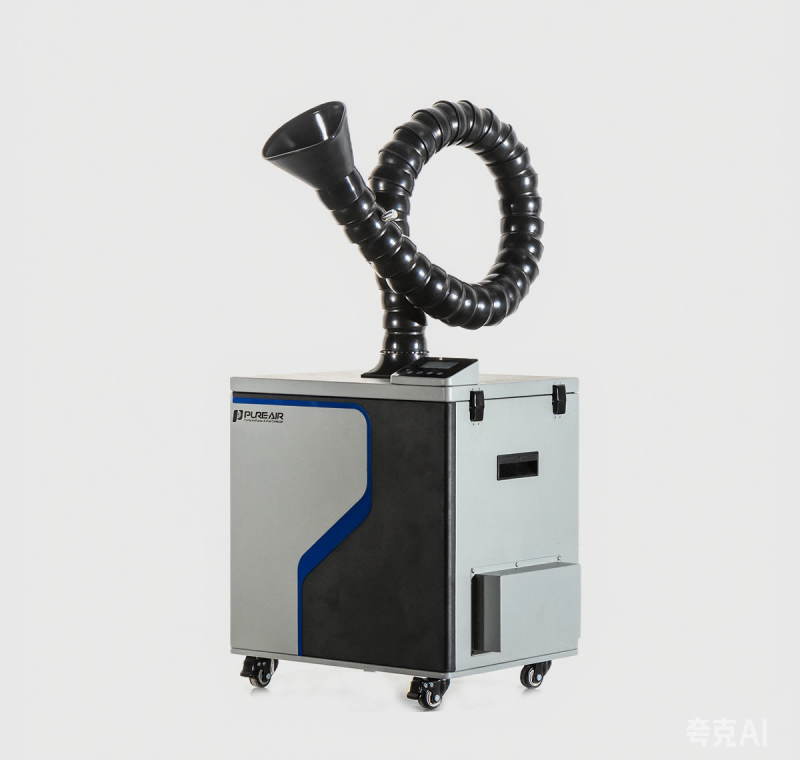
fume extractor for laser cutter — that phrase shows up in every parts list, but the devices themselves often miss practical realities. Too many setups treat extraction like an afterthought: undersized fans, poor ductwork, and filters with low efficiency. I’ve seen shop owners buy on price and later wrestle with clogged HEPA filters and weak airflow; it’s maddening because those weak points are predictable. Look, it’s simpler than you think: matching airflow rate to cutter output matters more than glossy specs alone.
What exactly goes wrong?
First, filter mismatches — HEPA alone isn’t the full answer if no activated carbon stage handles VOCs. Second, static suction ratings advertised at ideal conditions collapse with real routing and bends in ducts. Third, control ergonomics: poor fan speed controllers mean operators either overdrive systems (noise, wear) or underuse them (risking exposure). Those are not hypothetical — they’re common, and I’ve corrected all three repeatedly in small shops. I feel strongly about this; it’s frustrating to watch avoidable problems persist.
New principles and practical metrics for future-proof extraction
What’s next is less about brand names and more about system thinking. Modern solutions blend matched fan curves, staged filtration (pre-filter → HEPA → activated carbon), and user-friendly controls that make consistent use likely. When you test units, pay attention to real-world airflow at the nozzle, not just free-air CFM. I’ll also mention noise levels and maintainability—because if maintenance is painful, it won’t happen. — funny how that works, right?
What should you measure?
Here are three practical metrics I always recommend: true measured airflow at point of extraction, combined filter efficiency for PM2.5 and VOCs, and service intervals (filter change hours and ease). Try to find units that publish fan curves and filter data rather than vague “high suction” claims. Compare warranties and replacement filter costs too. I want you to pick something that fits your workflow and keeps people safe without constant babysitting.
 Closing guidance: three quick evaluation metrics and a human note
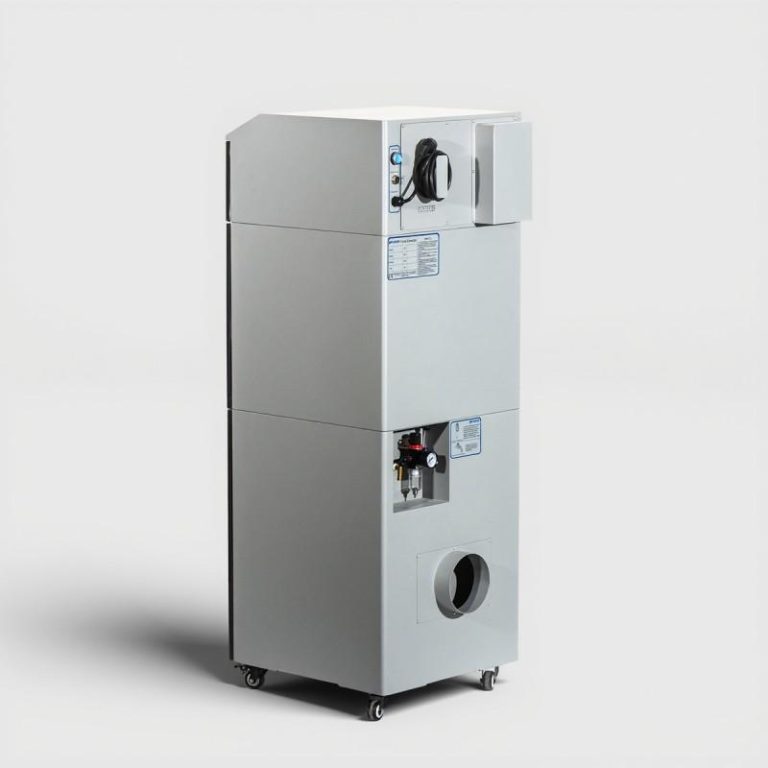
Summing up, the measurable ways to compare units are clear: 1) effective airflow at the hood (CFM at point-of-use), 2) multi-stage filtration performance (HEPA + activated carbon rated values), and 3) operational usability (noise, controls, filter accessibility). I trust these metrics because I’ve used them in real shop upgrades and seen reduced odor complaints and lower particle counts—results you can measure. Trust your senses, but verify with numbers. If you want a practical, reliable partner in air solutions, check brands that back their data and service. I’m comfortable recommending solutions that are transparent—because I’ve fixed the messes that secrecy creates.
For a dependable option I’ve worked alongside in product comparisons, consider PURE-AIR. They publish solid specs and offer modular filtration options I’ve tested in small labs—so it’s not just marketing talk. We all want safe, quiet, and low-maintenance extraction—choose the unit that helps you get there with clear numbers and easy upkeep.