Comparative Insight: How Advanced Red Light Technology Is Rewriting Whole-Body Wellness

Introduction — A Quiet Evening, Some Numbers, One Question
I was sitting on my porch one evening, watching a neighbor set up a new light panel and thinking how small choices change routines. In just the last five years, device size, cost, and uptime have shifted a lot, and advanced red light technology now shows up in homes, clinics, and gyms alike. I’ve tracked a few studies that report improved sleep and recovery times—numbers that matter when you’re trying to feel better at sixty. So where do we go from simple bulbs to truly effective systems for everyone (and yes, that includes folks like me who want no fuss)?
I’ll share what I’ve learned in plain terms. I’ll point out where old approaches trip up. And I’ll compare what’s coming next. Let’s take that next step together—toward clearer choices and fewer headaches.
Deeper Layer: Why Traditional Systems Fall Short for Total Body Red Light Therapy
When I say total body red light therapy, I mean the whole package: full coverage, consistent dose, and real safety. Many people still buy panels that promise miracles but fail on basics. The truth: uneven irradiance, poor LED driver control, and cheap power converters make later results unreliable. I’ve seen panels where photon flux drops at the edges—so your shoulders get less dose than your chest. These are not tiny quirks. They change outcomes.
What breaks first?
Look, it’s simpler than you think: uneven fixtures, weak heat sinks, and inconsistent firmware lead to user frustration. Devices that lack calibration will show different outputs today than next month. In clinical terms, inconsistent irradiance equals inconsistent biology. Manufacturers often skimp on thermal management and sensors to cut cost. The end user pays with wasted sessions and doubts. I’ve used meters alongside devices and watched numbers vary; that convinced me to be picky. If you want real results from total body red light therapy, demand specs, not promises.
Forward Look: Where New Systems Improve Outcomes
What’s next is less about gimmicks, more about principles. New designs focus on predictable dosing, broader coverage, and smarter controls. Systems use better LED driver circuits and smarter thermal paths so output stays steady. They also bring in simple analytics to log session time and delivered photon flux (yes—measure it). I expect more units to pair with edge computing nodes for local control and quick updates. That won’t make everything perfect, but it will close a lot of gaps.
Real-world Impact — What I’d Watch For
In practice, a good next-gen setup reduces session guesswork. You turn it on, pick a program, and the device maintains irradiance and records what was delivered. You get consistent therapy across months. Also—funny how that works, right?—people stick with routines that are less fiddly. For anyone comparing systems, I recommend three clear metrics: delivered irradiance stability, coverage uniformity, and firmware transparency. Measure those. Ask for specs. And remember: devices that log sessions are easier to evaluate over time.
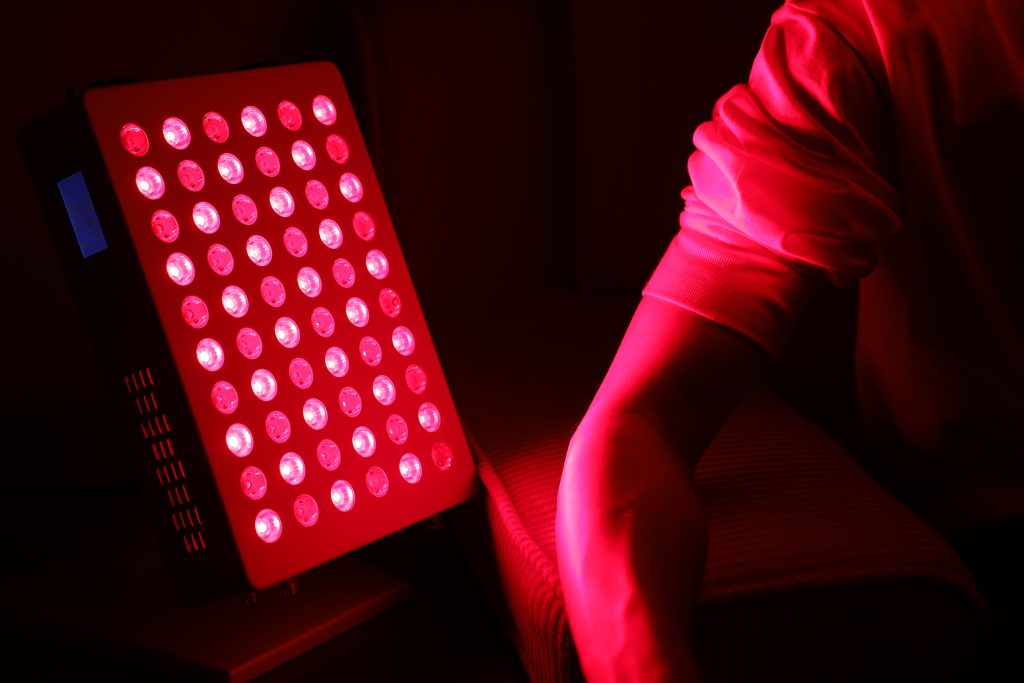 In closing, I hope this comparative view helps you pick systems that actually work. I’ve had my share of gadgets that under-delivered. I favor designs that publish real numbers and back them with thermal design and calibration. If you want a reliable partner in exploring options, check reputable suppliers and specifications—then trust your meter and your experience. For tested products and more data, consider visiting Magique Power.