Lightweight Car-Camping Shelter: Problem-Driven Guide to Packing and Transport
Problem diagnosis: what fails when light is goal
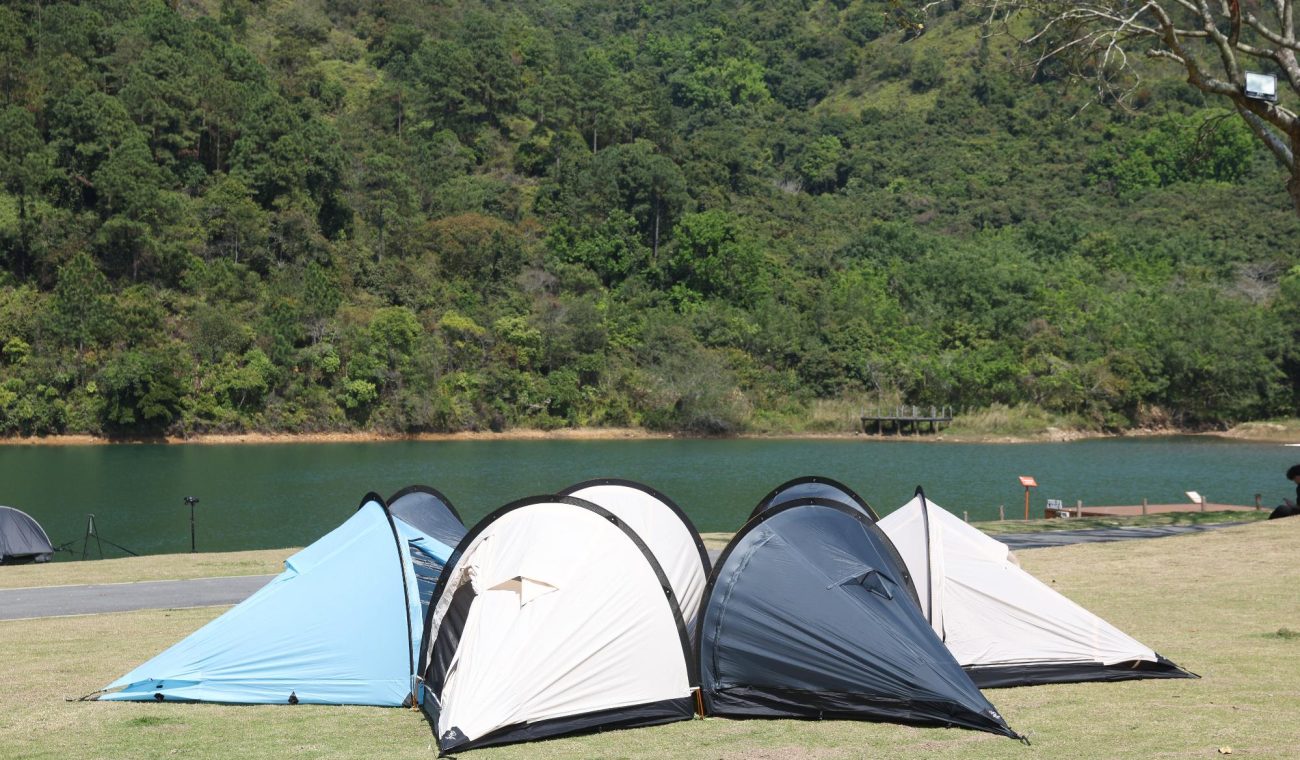
Many campers aim to reduce carried mass but then discover that a lighter tent becomes heavier in logistics: unstable straps, exposed poles, wet fabric, and inefficient use of vehicle space. The central problem is mismatch between shelter form and packing strategy; one buys a minimal shelter such as a car extended tent only to pack it in way that negates its weight advantage. This guide addresses that mismatch with precise, practical remedies.
Core principles that must govern decision
Principle one: protect the system, not only the tent. Lightweight fabrics tear; keeping them dry and shielded during transport preserves function. Principle two: distribute mass so handling is easy—shorter, denser packages are preferable to long loose poles. Principle three: reduce redundancy without risking safety: fewer accessories when each accessory contributes measurable value. These principles guide choices such as storage bag type, pole disassembly, and where to stow within or on the vehicle.
Packing method step-by-step for minimal weight penalty
First, strip tent to minimal kit: body, poles, stakes, seam tape, and one small repair kit. Second, collapse poles to shortest possible length and wrap with foam or fabric to prevent movement. Third, fold fabric tightly and use a lightweight compression sack sized to leave no air pockets; do not overcompress to the point of fabric damage. Fourth, place stakes and repair items inside a small waterproof pouch and secure to the pole bundle to prevent rattling. Fifth, choose transport location by priority: cabin floor for storms, rooftop for free interior space, or hitch-mounted carrier when rooftop unavailable. Consider an integrated solution such as a car extended tent when direct attachment to the vehicle reduces redundant packing steps.
Transport options and the trade-offs
Internal stowage minimizes exposure to weather and theft but consumes passenger room. Roof mounting frees cabin but raises center of gravity and increases fuel cost; aerodynamic covers reduce penalty. Hitch or rear-mounted carriers avoid lift but risk damage from road debris. For short trips, inside placement is fastest and safest; for long overland runs, secure roof mounting with proper packing offers best balance. Choose consistent method for repeated trips to refine technique and toolset.
Common mistakes and their simple corrections
Leaving stakes loose in trunk—solution: always bag stakes with poles. Packing wet—solution: always pre-dry or accept small airflow bag and dry at first stop. Using bulky stuff-sack—solution: replace with thin compression sack sized to the folded tent. Expecting rooftop straps to compensate for poor packing—solution: secure internal tie-points and use protective sleeves where straps contact fabric. Overlooking local vehicle regulations for roof loads—solution: check plate or manual before departure.
Field evidence and industry perspective
Practical use by guides and overland participants at events such as Overland Expo and in frequently visited national camping areas shows that vehicle-integrated shelters reduce setup time and often extend useful season. Evaluation studies by field teams prioritize pack integrity and quick deployment; one tested example used in car-camping setups is the outdoor car tent, whose design choices illustrate trade-offs between weight, attachment method, and weather sealing. These observations reflect accumulated practice rather than marketing claims, and they form basis for the recommended procedures above.
Alternatives briefly evaluated
Rooftop tents offer comfort and fast pitch but add substantial aerodynamic weight and complexity. Ground ultralight shelters minimize carried weight but require more careful site selection. Small trailer systems permit very light tents but introduce tow constraints. For many who seek low logistical weight while using a vehicle as base, a compact, vehicle-compatible shelter often gives best practical result; choose by matching load, trip length, and desired deployment speed.
 Synthesis and practical value
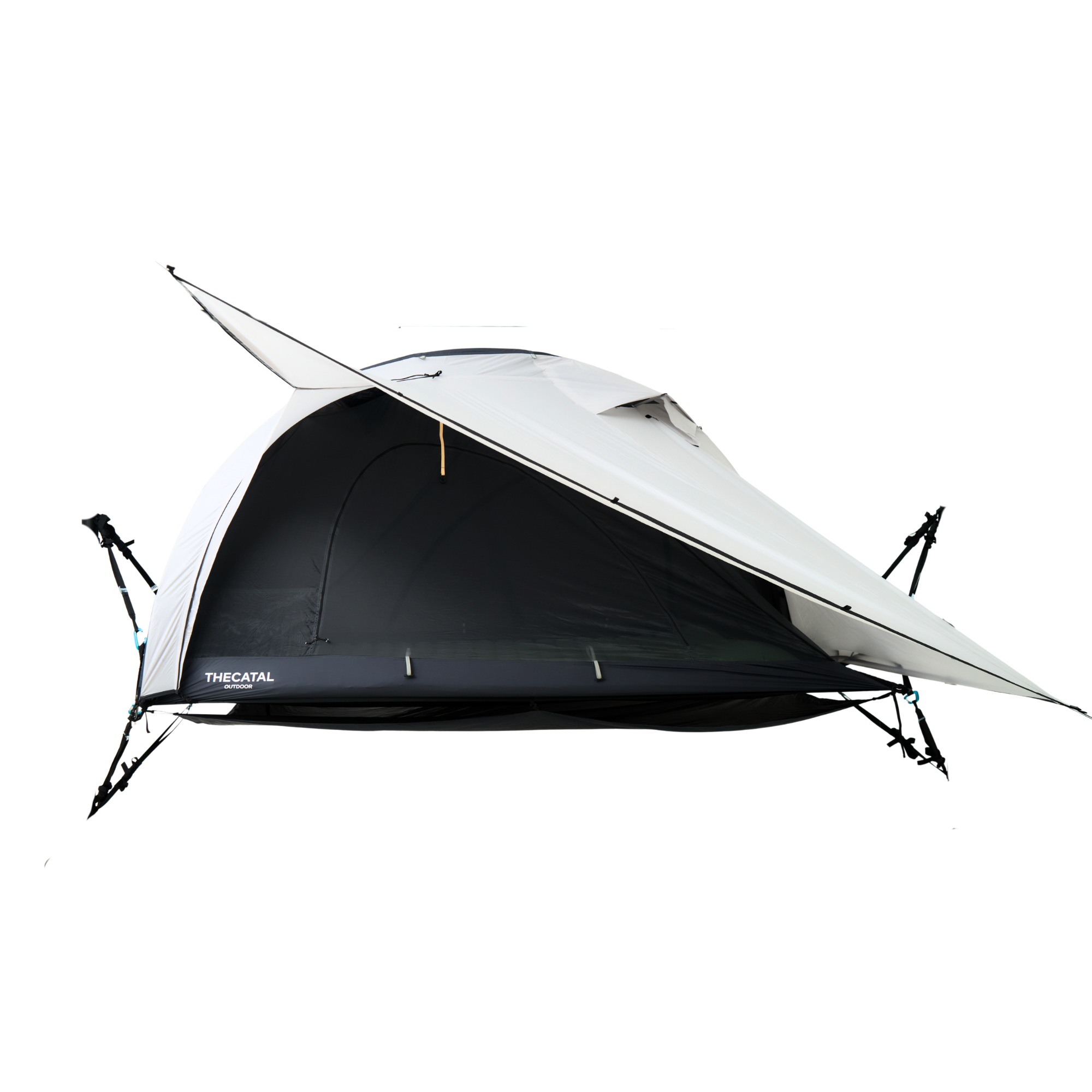
Address the problem of losing lightweight advantage by aligning shelter choice, packing method, and transport mode. Protect fabrics, shorten and bundle poles, centralize small items, and select transport location that balances convenience and safety. The practical effect is not theoretical savings in grams but fewer failures in the field and consistent setup performance, which is the measure used by experienced car-campers and professional guides; this is why detailed, vehicle-aware solutions from sources such as THECATAL often appear in field kits and trip plans where reliability and low logistical weight must co-exist.